Itamev Journal
Editorial Standards

The Nutritional Approach.

Every article published by Oranev Journal follows a defined editorial process. This page describes that process in full — from source selection and writing standards to the review procedure applied before publication.

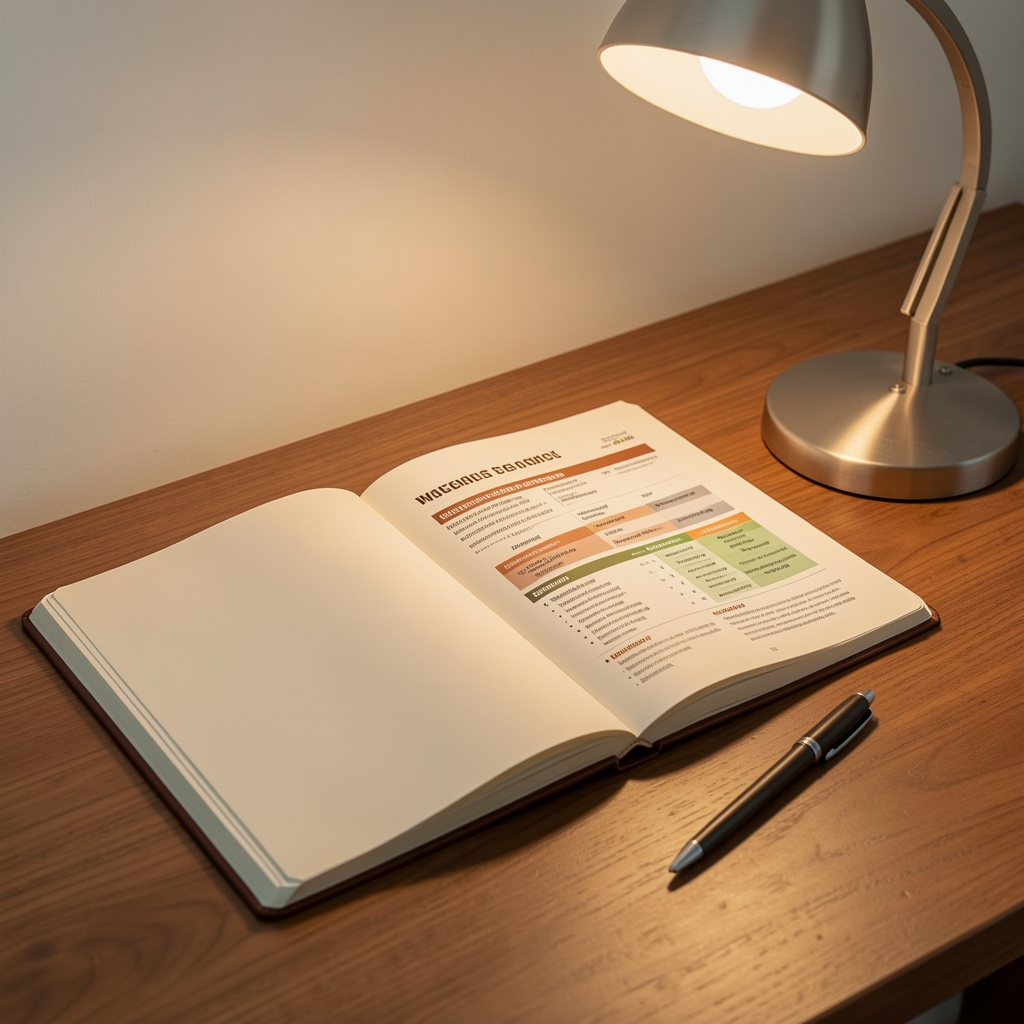
Editorial desk with open notebook, printed nutritional research pages, and a pen under warm desk lamp light
Foundation

Editorial Principles

Oranev Journal operates under a defined set of principles that govern every stage of the editorial process — from the selection of topics through to the review of published articles for accuracy.

"Oranev Journal operates under the following editorial principles: articles are reviewed by at least one second editor before publication, sources are cited where appropriate, corrections are noted publicly, and writers disclose any commercial relationships that could influence their selection of subject matter."

These principles are not aspirational. They describe the actual process applied to every article published in the journal. They represent the minimum standard — not the ceiling. In practice, the editorial process frequently exceeds these requirements, particularly for articles examining specific supplements or nutrient categories with a broad published literature base.

Oranev Journal is an independent editorial publication exploring everyday supplementation habits, nutritional awareness, and active lifestyle choices for men. The publication is not affiliated with any commercial, governmental, or institutional body.
The Process

How an Article Reaches Publication

01

Topic Selection

Topics are selected based on their relevance to everyday supplementation habits and nutritional awareness for active men. Priority is given to areas where published nutritional research is available, and where the gap between published evidence and popular understanding is widest.

02

Source Review

Writers are required to review available published nutritional research on the topic before beginning the article. Sources are assessed for relevance and the strength of the available evidence base. Where evidence is limited, that limitation is stated clearly within the article itself.

03

First Draft

The writer produces a first draft in the journal's editorial register: observational, reportorial, evidence-informed, and free of prescriptive or promotional language. The draft is self-assessed against the editorial principles before submission for review.

04

Editorial Review

Every article is reviewed by a second editor before publication. The review process assesses accuracy against cited sources, editorial register, factual claims, and the presence of any promotional register that would compromise the editorial independence of the piece.

05

Source Citation

Sources are cited within articles where published nutritional research is available. The citation format used is conversational rather than academic — sources are referenced by study type and publication context rather than full academic citation, unless the article's depth requires formal referencing.

06

Publication and Corrections

Once the editorial review is complete, the article is published. Corrections identified after publication are noted publicly within the article itself. Reader correspondence that identifies factual inaccuracies is reviewed within two working days and acted upon where the correction is substantiated.

Source Standards

What the Journal Considers a Valid Source

Content published by Oranev Journal is selected based on published nutritional research and reviewed for editorial accuracy by a second editor before publication.

This standard defines what the journal considers an acceptable source for factual claims within articles. The hierarchy of sources reflects the editorial commitment to evidence-informed content over anecdote or promotional material.

A
Published nutritional research

The primary source tier. Published research on nutritional topics — including supplement-specific studies — is the preferred foundation for factual claims within articles.

B
Independent nutrition bodies

Published guidance from independent nutritional bodies — where it draws on the published research literature — is accepted as a secondary source for supporting context.

C
Qualified wellness professional observations

Observations from qualified wellness and nutrition professionals — clearly attributed — are accepted in an editorial context where the broader published evidence supports the framing.

X
Commercial claims and anecdotal reports

Commercial product claims and anecdotal reports are not accepted as sources for factual assertions. They may be noted in an editorial context where the absence of published evidence is the point being made.

Ind.
Editorial Independence

What Independence Means in Practice

Oranev Journal does not accept advertising from supplement manufacturers or nutritional product companies. This is not a policy position — it is a founding condition of the publication. The journal's editorial content is determined by the editorial team without commercial influence.

Writers are required to disclose any commercial relationship with a supplement manufacturer or nutritional product company that could influence their selection of subject matter. Where such a relationship exists, the article is reviewed by a third editor before publication.

The journal does not participate in affiliate marketing programmes. No links within published articles generate revenue for the publication or its contributors. Product names are referenced solely for the purpose of editorial clarity.

Reader correspondence that identifies a potential undisclosed commercial relationship is reviewed by the primary editor within five working days. If substantiated, the article is either updated with a disclosure or, in cases of significant editorial compromise, removed from publication with a public note.

Common Questions

Questions About Our Standards

Editorial Notice

Oranev Journal is an independent editorial publication exploring everyday supplementation habits, nutritional awareness, and active lifestyle choices for men. The publication is not affiliated with any commercial, governmental, or institutional body.

Articles published on Oranev Journal are editorial in nature and reflect the writers' observations on everyday supplementation habits and nutritional awareness for active men. The content is not intended as professional advice, nor as guidance for the management of any specific condition. Readers with specific concerns about their daily routines are encouraged to speak with a qualified wellness professional.